
ORAL CANCER
Oral Cancer: Symptoms, Causes, Diagnosis & Treatment
Expert Oral Cancer Care in Hyderabad
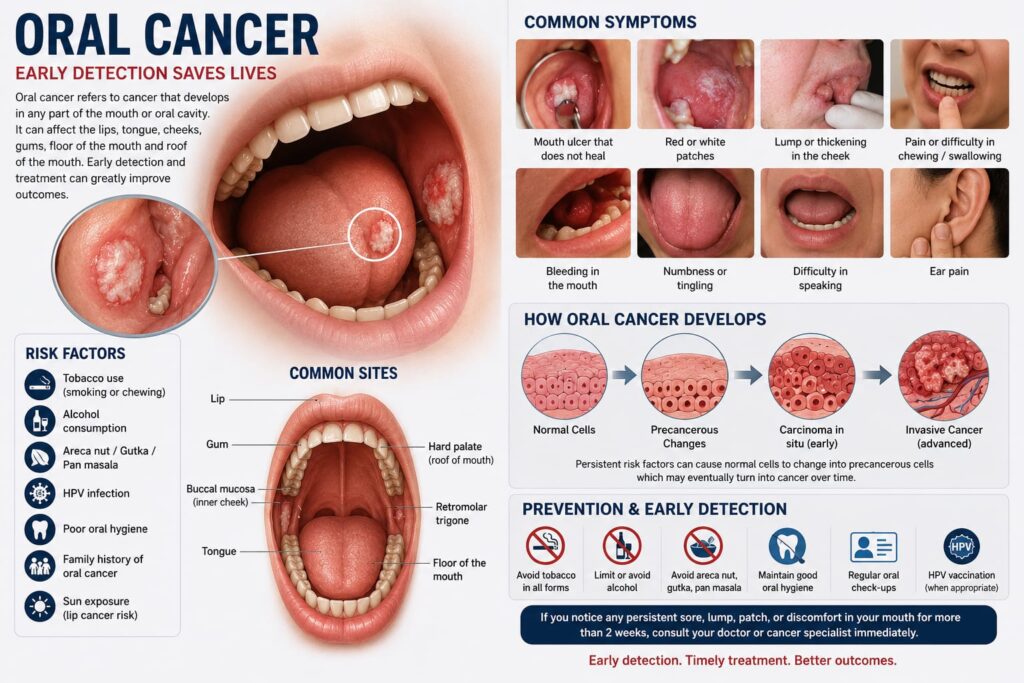
Oral cancer is one of the most common cancers affecting the head and neck region, particularly in countries where tobacco and areca nut consumption are prevalent. Oral cancer can develop in the tongue, cheeks, gums, lips, floor of the mouth, or roof of the mouth and may significantly impact speech, swallowing, and overall quality of life if left untreated.
At The Cancer Therapist, comprehensive oral cancer diagnosis and treatment are provided by Dr. Mounika Boppana and Dr. Sri Vardhan Jasti, experienced medical oncologists committed to delivering personalized, evidence-based cancer care in Hyderabad. Early diagnosis remains the most effective way to improve treatment outcomes and long-term survival.
What is Oral Cancer?
Oral cancer, also known as mouth cancer, occurs when abnormal cells within the oral cavity grow uncontrollably and form a tumor. Most oral cancers arise from the squamous cells that line the inside of the mouth and are therefore classified as squamous cell carcinomas.
Oral Cancer: Symptoms, Causes, Diagnosis & Treatment
Expert Oral Cancer Care in Hyderabad
Oral cancer is one of the most common cancers affecting the head and neck region, particularly in countries where tobacco and areca nut consumption are prevalent. Oral cancer can develop in the tongue, cheeks, gums, lips, floor of the mouth, or roof of the mouth and may significantly impact speech, swallowing, and overall quality of life if left untreated.
At The Cancer Therapist, comprehensive oral cancer diagnosis and treatment are provided by Dr. Mounika Boppana and Dr. Sri Vardhan Jasti, experienced medical oncologists committed to delivering personalized, evidence-based cancer care in Hyderabad. Early diagnosis remains the most effective way to improve treatment outcomes and long-term survival.
What is Oral Cancer?
Oral cancer, also known as mouth cancer, occurs when abnormal cells within the oral cavity grow uncontrollably and form a tumor. Most oral cancers arise from the squamous cells that line the inside of the mouth and are therefore classified as squamous cell carcinomas.
Oral cancer may affect:
- – Tongue
- – Lips
- – Inner lining of the cheeks (Buccal Mucosa)
- – Gums
- – Floor of the mouth
- – Hard palate and soft palate
When detected early, oral cancer is often highly treatable.
Common Symptoms of Oral Cancer
Many patients initially mistake oral cancer symptoms for common dental or mouth-related conditions. Persistent symptoms lasting more than two weeks should be evaluated by a cancer specialist.
Common symptoms include:
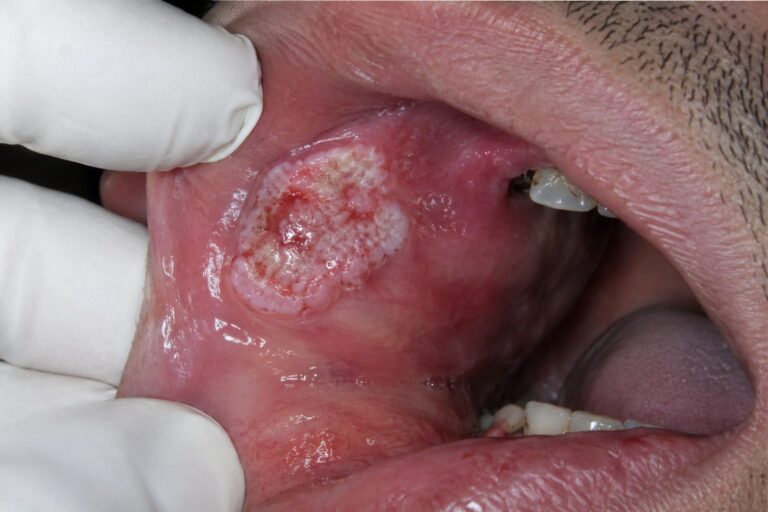
- – A mouth ulcer that does not heal
- – White, red, or mixed patches inside the mouth
- – Pain or discomfort while chewing
- – Difficulty swallowing
- – A lump inside the mouth or neck
- – Persistent sore throat
- – Unexplained bleeding from the mouth
- – Loose teeth without dental disease
- – Jaw stiffness or pain
- – Changes in speech
- – Ear pain without infection
- – Numbness in the tongue or mouth
If you experience any of these symptoms, consult the specialists at The Cancer Therapist for a comprehensive evaluation.
Causes and Risk Factors
Several factors can increase the risk of developing oral cancer.
Tobacco Use
Smoking cigarettes, bidis, cigars, or using smokeless tobacco products significantly increases oral cancer risk.
Gutka, Pan Masala and Areca Nut Consumption
Regular consumption of gutka, pan masala, and betel nut remains one of the leading causes of oral cancer in India.
Alcohol Consumption
Excessive alcohol intake may damage oral tissues and increase cancer risk.
Human Papillomavirus (HPV)
Certain HPV infections are associated with cancers affecting the mouth and throat.
Poor Oral Hygiene
Chronic irritation and poor dental health may contribute to the development of oral cancer.
Family History
Individuals with a family history of head and neck cancers may have an increased risk.
How is Oral Cancer Diagnosed?
At The Cancer Therapist, diagnosis begins with a detailed clinical assessment performed by Dr. Mounika Boppana and Dr. Sri Vardhan Jasti.
Diagnostic tests may include:
– Clinical examination
– Oral cavity assessment
– Neck examination
– Biopsy
– CT Scan
– MRI Scan
– PET-CT Scan
A biopsy remains the most accurate method for confirming oral cancer.
Oral Cancer Treatment
Treatment recommendations depend on the stage, location, and extent of the cancer.
Surgery
Surgery is often the primary treatment for early-stage oral cancer and aims to remove the tumor while preserving function whenever possible.
Radiation Therapy
Radiation uses high-energy beams to destroy cancer cells and may be used alone or after surgery.
Chemotherapy
Chemotherapy helps destroy cancer cells and is often combined with radiation therapy in advanced cases.
Targeted Therapy
Targeted therapies attack specific cancer-related pathways and may be beneficial for selected patients.
Immunotherapy
Immunotherapy enhances the body’s immune system to help identify and fight cancer cells and may be considered in recurrent or advanced disease.
At The Cancer Therapist, every treatment plan is personalized to meet the unique needs of each patient.
Can Oral Cancer Be Prevented?
While not all cases can be prevented, the risk can be significantly reduced by:
– Avoiding tobacco in all forms
– Avoiding gutka and areca nut products
– Limiting alcohol consumption
– Maintaining good oral hygiene
– Attending regular dental check-ups
– Seeking medical evaluation for persistent oral lesions
– Following a healthy lifestyle
Why Choose The Cancer Therapist?
Patients across Hyderabad trust The Cancer Therapist for compassionate and evidence-based cancer care.
Under the guidance of Dr. Mounika Boppana and Dr. Sri Vardhan Jasti, patients receive:
– Personalized treatment planning
– Advanced systemic cancer therapies
– Comprehensive cancer evaluation
– Multidisciplinary cancer care
– Long-term follow-up and survivorship support
– Patient-centered decision making
Frequently Asked Questions
Is oral cancer curable?
Many patients with early-stage oral cancer can achieve excellent outcomes when diagnosed and treated promptly.
What is the first sign of oral cancer?
A persistent mouth ulcer, red or white patch, or unexplained lump inside the mouth are often among the earliest warning signs.
Who is at risk for oral cancer?
People who smoke, chew tobacco, consume gutka, drink alcohol excessively, or have HPV infection are at increased risk.
When should I see a cancer specialist?
Any oral symptom that persists for more than two weeks should be evaluated by a healthcare professional.
Schedule a Consultation
If you or a loved one is experiencing symptoms suggestive of oral cancer, early evaluation can make a significant difference.
The Cancer Therapist, led by Dr. Mounika Boppana and Dr. Sri Vardhan Jasti, provides comprehensive oral cancer diagnosis, treatment, and long-term care in Hyderabad.